Yoshi: The Bold Typeface That Brings Ancient Japan to Your Designs
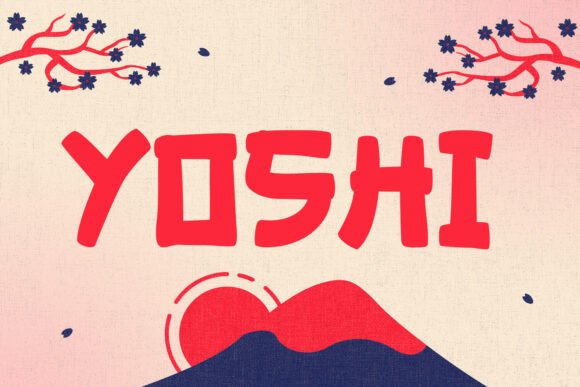
If you’ve ever wanted to infuse your creative work with the elegance and strength of traditional Japanese culture, Yoshi might be the perfect typeface for you. This premium font is more than just a visual style — it’s a carefully crafted homage to the brushwork and aesthetic of ancient Japan. With bold strokes, a rustic texture, and an unmistakable oriental flair, Yoshi gives designers a powerful tool to evoke the spirit of the Samurai, the calm of a Zen garden, or the energy of a martial arts dojo.
What Makes Yoshi Stand Out?
Unlike generic Asian-inspired fonts that feel flat or overly stylized, Yoshi is designed with authenticity in mind. It mimics the natural variation of hand-brushed ink, giving it a unique character that feels both timeless and modern. Each letter is intentionally weighted and textured, creating a sense of movement and energy that can elevate any design project.
Its versatility is one of its strongest features. Whether you're designing a logo, a social media post, or a restaurant menu, Yoshi adapts well to different formats and tones. It works especially well when you want to communicate strength, tradition, or a sense of cultural depth — all while maintaining a clean, professional finish.
Real-World Uses for Yoshi
Let’s look at how real people are using Yoshi across different creative and professional settings:
- Branding for Asian-Inspired Businesses: Sushi restaurants, tea shops, and wellness centers often use Yoshi to reflect their cultural roots. It helps establish a strong visual identity that feels authentic and inviting.
- Martial Arts Logos: Dojos and self-defense studios use Yoshi to convey strength and discipline. Its bold strokes mirror the intensity of martial arts, making it a natural fit for logos, banners, and promotional materials.
- Video Game Titles: Indie game developers looking to create an oriental or historical theme often turn to Yoshi for title screens and promotional art. It adds a dramatic, cinematic feel that pulls players into the game’s world.
- Social Media Graphics: Influencers and content creators who focus on travel, fashion, or lifestyle in Japan or Asian culture use Yoshi to make their posts stand out. It adds a touch of elegance without feeling too formal.
- Wedding Invitations and Event Design: Couples planning a Japanese-themed wedding or cultural event often incorporate Yoshi into their stationery for a refined, culturally rich look.
Who Benefits Most from Using Yoshi?
Yoshi is ideal for a wide range of users — from small business owners to digital marketers and independent creators. Here’s how different groups can benefit:
- Restaurant Owners: If you run a sushi bar or ramen shop, using Yoshi on your menu or signage can instantly communicate authenticity and quality. It gives your brand a visual edge that feels both traditional and upscale.
- Graphic Designers: For freelance designers, having a font like Yoshi in your toolkit means you can offer clients a premium, culturally rich design option without needing to create custom brushwork from scratch.
- Content Creators: Whether you’re posting on Instagram or creating YouTube thumbnails, Yoshi helps your visuals pop. It works well in both light and dark themes and pairs nicely with minimalist or bold background designs.
- Teachers and Educators: History or language instructors might use Yoshi in classroom materials to introduce students to Japanese culture in a visually engaging way.
- Game Developers: Indie developers often look for fonts that help establish a strong visual identity without licensing issues. Yoshi offers a high-quality, unique look that can define a game’s aesthetic.
How to Use Yoshi Effectively
While Yoshi is a powerful font, it’s best used strategically. Because of its bold, decorative nature, it shines brightest in titles, headers, and short text blocks. Using it for long paragraphs or body text may reduce readability and overwhelm the design.
Pairing it with simpler, clean fonts helps balance the visual weight. For example, using Yoshi for a headline and a sans-serif like Helvetica or Futura for supporting text creates a modern, layered look that’s easy on the eyes.
Also, consider the background and color scheme. Yoshi works especially well on dark or textured backgrounds that enhance its brushstroke details. Gold, red, black, and deep blue are excellent color choices that reflect traditional Japanese design elements.
Things to Consider Before Using Yoshi
Before you download or purchase Yoshi, here are a few practical considerations:
- Licensing: Make sure the font license covers your intended use, especially if you’re using it for commercial projects like branding or merchandise.
- Format Compatibility: Check if the font comes in the file types you need (OTF, TTF, WOFF, etc.) and whether it works across your design tools (Photoshop, Illustrator, Canva, etc.).
- Language Support: While Yoshi is designed with English characters, some versions may include extended language support or Japanese glyphs. Confirm this if you plan to use it for bilingual designs.
- Learning Curve: Although it’s easy to install and use, getting the most out of Yoshi may require some experimentation with spacing, color, and layout to ensure it complements your overall design.
Final Thoughts
Yoshi is more than a font — it’s a design statement. Whether you're building a brand, creating content, or crafting a personal project, it gives you the power to connect with audiences through the visual language of ancient Japan. It’s bold without being overwhelming, elegant without feeling stiff, and versatile enough to work across a wide range of creative needs.
If you’re looking for a way to bring cultural depth, visual impact, and a touch of luxury to your next design, Yoshi is worth exploring. It’s not just about how your text looks — it’s about how it feels. And with Yoshi, every word carries the weight of history and the energy of the brush.