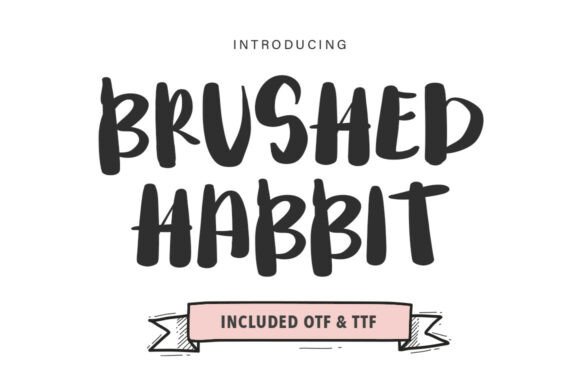
Brushed Habbit: A Bold Font with Personality—and Pitfalls to Avoid
If you're looking to inject energy and authenticity into your design work, Brushed Habbit might already be on your radar. This expressive, dry-brush style font is designed to mimic the fast, raw strokes of a textured brush, making it ideal for branding that demands attention—think streetwear, music covers, or urban posters. But while its high-energy aesthetic is a major draw, there are several overlooked details and common mistakes that can trip up even experienced designers.
What Makes Brushed Habbit Unique?
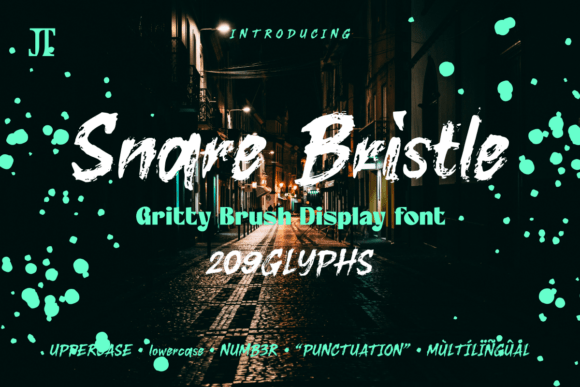
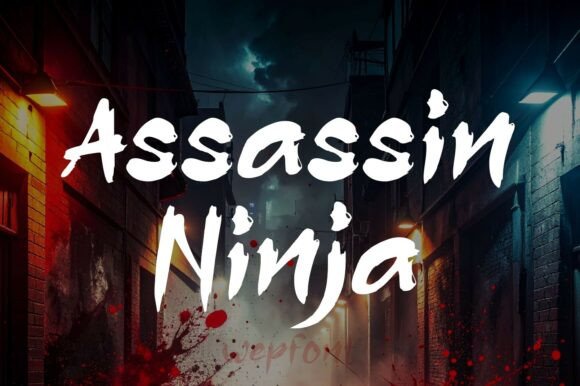
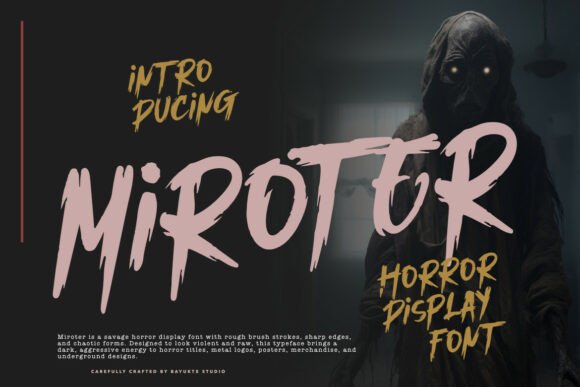
Brushed Habbit stands apart from smoother script fonts due to its intentional "distressed" edges and inconsistent stroke widths. These characteristics give it a sense of motion and spontaneity that feels handcrafted and real. It’s a favorite among creatives working in high-impact visual fields like sports marketing, band branding, and urban-themed content. When used effectively, it communicates boldness and artistic integrity.
Common Mistakes When Choosing and Using Brushed Habbit
Despite its appeal, Brushed Habbit can be misused in ways that diminish its impact or create design inconsistencies. Here are some of the most frequent issues and how to avoid them:
1. Overlooking Licensing Details
One of the most common oversights is not checking the licensing agreement before downloading or purchasing Brushed Habbit. Some versions may only be licensed for personal use, which can lead to legal issues if used in commercial projects. Always confirm whether the font includes a commercial-use license and whether it's allowed in logo design or digital distribution.
2. Poor Readability in Small Sizes
Brushed Habbit’s textured edges and uneven strokes make it visually striking at large sizes—but not always legible when scaled down. Using it in body text or small captions can lead to readability issues, especially in print or on low-resolution screens. A better approach is to use it for headlines or short bursts of text, and pair it with a clean sans-serif for supporting content.
3. Ignoring Contrast and Background Interaction
This font thrives in high-contrast environments. However, placing Brushed Habbit over busy or light backgrounds can wash out its texture and reduce its visual punch. A strong contrast—like white text over a dark, gritty image—helps the distressed edges stand out. Failing to consider this can result in a muddy or unprofessional appearance.
4. Pairing with Incompatible Typefaces
Brushed Habbit is expressive and dynamic, so pairing it with another decorative or overly stylized font can create visual clutter. Instead, balance its energy with a minimalist sans-serif or a structured serif. This contrast grounds the design and ensures clarity without sacrificing personality.
5. Not Testing Across Mediums
While Brushed Habbit looks great on screen, it may not render the same on print or mobile devices. Kerning and spacing can behave differently depending on the platform. Always test the font in all intended formats before finalizing your design. You may need to adjust tracking or choose alternate characters for optimal legibility.
How to Use Brushed Habbit Effectively
When used thoughtfully, Brushed Habbit can elevate your design from ordinary to memorable. Here are some practical tips to ensure you get the most out of this expressive font:
- Stick to large text applications: Use it for headlines, logos, and posters where its texture can shine.
- Pair with neutral fonts: Balance its energy with a simple sans-serif like Helvetica or Montserrat.
- Optimize for contrast: Dark backgrounds with light text often work best to highlight its rugged edges.
- Check file formats: Make sure the font package includes web and desktop licenses if you're using it online or in apps.
- Use alternate characters: Many brush-style fonts include ligatures and stylistic alternates to enhance authenticity—explore those for a more handcrafted look.
What to Check Before Downloading or Buying
Before committing to Brushed Habbit, verify the following to avoid future complications:
- Licensing terms: Confirm usage rights for commercial, web, and logo applications.
- Character set: Ensure it includes uppercase, lowercase, numbers, and punctuation if needed.
- File formats: Look for OTF and TTF formats for broad compatibility.
- Vendor reputation: Download from trusted sources to avoid malware or mislabeled fonts.
Final Thoughts: A Font Worth Using—With Care
Brushed Habbit is more than just a trendy font; it’s a design tool that brings energy and authenticity to any project that dares to stand out. Whether you're branding a new fitness studio or designing a rock band's album cover, it offers a unique texture that digital fonts often lack. But like any expressive typeface, it requires thoughtful application. By avoiding common mistakes—like poor pairing, incorrect sizing, and licensing oversights—you can ensure your work remains both impactful and professional.
Take the time to understand the font’s strengths and limitations, and you’ll find Brushed Habbit becomes a powerful asset in your creative toolkit.