Discovering Cangkang: A Handcrafted Font with Organic Appeal
Typography plays a crucial role in shaping how messages are perceived. Among the many typefaces available to designers, Cangkang stands out as a dynamically brushed font that blends readability with a warm, handcrafted aesthetic. Designed to evoke the feeling of natural handwriting, Cangkang offers a unique alternative to more rigid or digitally sterile fonts. Whether used for branding, greeting cards, or digital graphics, this font brings a sense of authenticity and artistic expression to a wide range of creative projects.
What Makes Cangkang Unique?
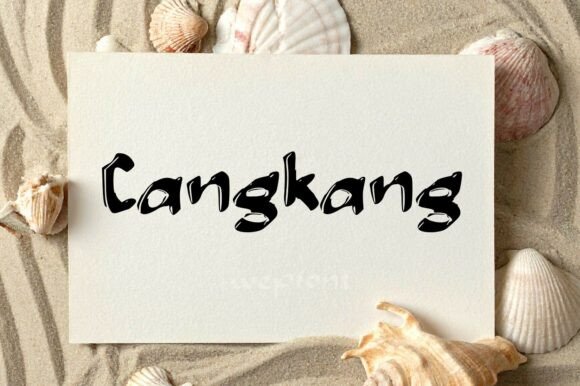
Cangkang is crafted with a brush or marker-like touch, giving it a soft, flowing appearance that mimics real handwriting. Unlike many digital fonts that prioritize uniformity, Cangkang embraces subtle imperfections—slight variations in stroke weight, gentle curves, and an organic rhythm—that contribute to its expressive charm. These characteristics make it feel more human and approachable, setting it apart from overly polished or mechanical typefaces.
Its design balances artistic flair with legibility, ensuring that even with its expressive strokes, the font remains readable across different applications. This combination of aesthetics and functionality makes Cangkang a versatile choice for designers seeking a font that feels both personal and professional.
How Cangkang Compares to Similar Fonts
When compared to other brushed or handwritten fonts, Cangkang distinguishes itself through its rhythmic consistency and balanced structure. Many hand-drawn fonts can feel erratic or overly decorative, which may compromise readability. Cangkang, however, maintains a level of clarity that allows it to function well in both short and extended text formats.
- Brush Script and Marker Fonts: Some brushed fonts lean heavily into texture and movement, which can be visually striking but less practical for body text. Cangkang strikes a middle ground, offering enough character to feel artistic without sacrificing usability.
- Calligraphic Fonts: While calligraphy-inspired fonts often convey elegance and formality, they may not suit casual or emotionally driven content. Cangkang’s informal rhythm and warm texture make it more suitable for friendly, expressive, or sentimental designs.
- Monoline Handwritten Fonts: These often lack the dynamic contrast found in Cangkang, which can result in a flatter appearance. Cangkang’s variation in stroke weight adds visual interest and depth, making it more engaging in visual media.
Strengths and Tradeoffs of Using Cangkang
Like any design element, Cangkang has its advantages and limitations depending on the context in which it's used. Understanding these can help designers make informed choices about when and how to apply the font effectively.
Strengths:
- Emotional Resonance: The handcrafted texture of Cangkang makes it ideal for designs that aim to evoke warmth, sincerity, or creativity.
- Versatile Aesthetics: Its balance of artistic expression and readability allows it to work across both print and digital platforms.
- Brand Personalization: For businesses or creators seeking a more human touch in their visual identity, Cangkang offers a distinctive alternative to generic sans-serif or serif fonts.
Tradeoffs:
- Not Ideal for Technical or Formal Contexts: Due to its informal nature, Cangkang may not be suitable for legal documents, academic papers, or corporate reports where a more neutral tone is expected.
- Limited Character Set: Some brushed fonts, including Cangkang, may have a more limited range of weights or language support compared to more standardized typefaces.
- Legibility at Small Sizes: While generally readable, Cangkang’s organic strokes can become less distinct when used at very small sizes, especially in low-resolution formats.
Best Use Cases for Cangkang
Cangkang shines in contexts where personality and emotional tone are key. Designers and creators often choose Cangkang for:
- Personal Branding: From logo design to social media profiles, Cangkang adds a touch of authenticity that helps individuals and small businesses stand out.
- Invitations and Greeting Cards: Its handwritten feel makes it perfect for wedding invitations, birthday cards, and other sentimental communications.
- Digital Graphics and Illustrations: Whether used in Instagram stories, quote images, or promotional banners, Cangkang enhances visual appeal without overwhelming the message.
- Product Packaging: Brands that want to convey a sense of craftsmanship or artisanal quality often incorporate Cangkang into their packaging design for a more personal touch.
When to Consider Alternatives
While Cangkang is a compelling choice for many creative applications, there are situations where other fonts may be more appropriate. If the design requires:
- High Precision: In technical diagrams, legal documents, or data-heavy reports, a more neutral and structured font might be better suited.
- Extended Reading: For long-form content such as articles or eBooks, serif or sans-serif fonts designed for body text will generally offer better readability over time.
- Formal Branding: Corporate identities that aim for a polished or minimalist aesthetic may find that Cangkang’s expressive nature doesn’t align with their brand voice.
Practical Comparisons and Design Considerations
When selecting a font like Cangkang, it’s important to test it in context. Designers should consider how it interacts with other visual elements such as color, layout, and imagery. For example, pairing Cangkang with clean, minimalist backgrounds can enhance its organic texture, while combining it with too many decorative elements may lead to visual clutter.
Additionally, font licensing is a key factor. While Cangkang may be available for personal use, commercial applications—especially in branding or product design—require appropriate licensing to ensure legal compliance.
Making the Right Choice
Choosing a font is more than a stylistic decision—it's about matching tone, purpose, and audience. Cangkang offers a compelling blend of warmth and readability that makes it a strong contender for creative and emotionally driven projects. However, like any design tool, it works best when used thoughtfully and in alignment with the intended message.
If your goal is to create designs that feel personal, expressive, and grounded in authenticity, Cangkang may be the ideal choice. But if clarity, neutrality, or formal presentation is your priority, exploring other font categories—such as serif, sans-serif, or geometric typefaces—could yield better results.